
Why jet lag happens and how to manage it
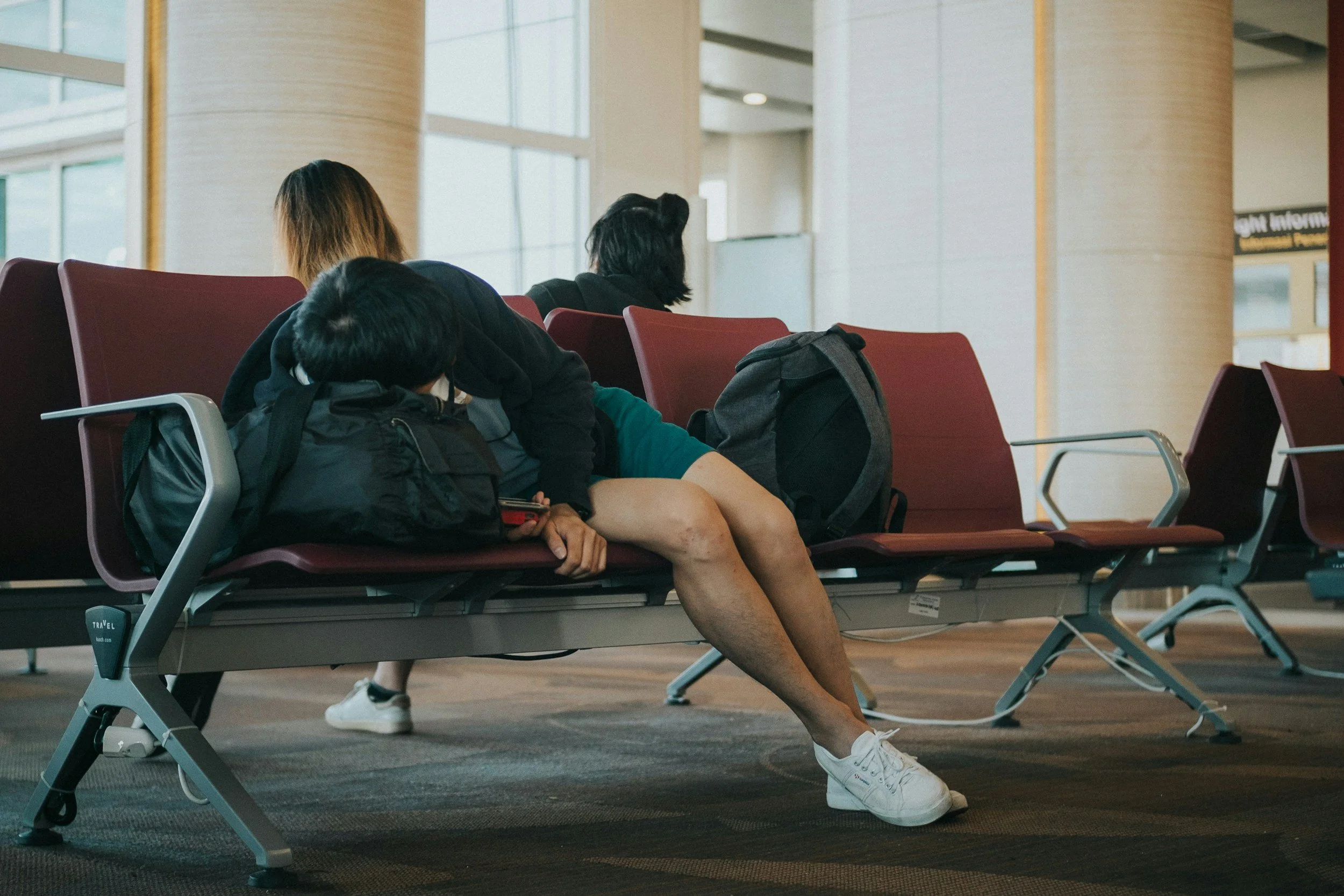
Image credit: joyceromero via Unsplash
Jet lag happens when rapid travel across time zones throws your internal body clock out of sync with the local day-night cycle. The disruption can affect sleep, energy, digestion, concentration, mood, and even appetite, with symptoms often becoming more noticeable after crossing several time zones. Adjusting your sleep schedule before a trip, getting strategically timed light exposure, staying hydrated, and being thoughtful about caffeine, meals, and naps can help your body adapt more quickly and make the transition easier.
Source
Cho, K. Chronic 'jet lag' produces temporal lobe atrophy and spatial cognitive deficits. Nat Neurosci 4, 567–568 (2001). https://doi.org/10.1038/88384
Additional Reading
https://www.bbc.com/future/article/20260731-what-jet-lag-does-to-your-body-and-how-to-cope
https://sleep.hms.harvard.edu/education-training/public-education/sleep-and-health-educat
https://www.healthline.com/health/healthy-sleep/how-to-get-over-jet-lag